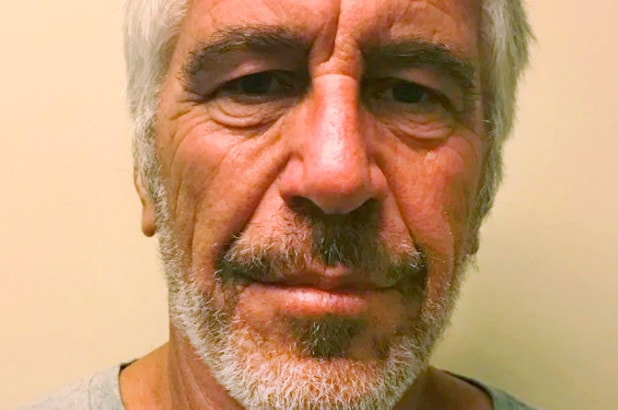
U.S. authorities say they have found more than one million additional documents that could be connected to the late sex offender Jeffrey Epstein, and they plan to release them in the coming days and weeks.
The FBI and federal prosecutors in New York alerted the Department of Justice (DoJ) after discovering the material. In a statement Wednesday, the DoJ said lawyers are reviewing the files and making required redactions to protect victims before releasing them to the public.
“We have lawyers working around the clock to review and make the legally required redactions to protect victims, and we will release the documents as soon as possible,” the department said. Officials added that it could take several more weeks to release all of the files.
The discovery comes as the DoJ faces criticism for missing a December 19 deadline set under a new law that requires the full release of Epstein-related records. The department said it will continue to comply with federal law and President Donald Trump’s directive to make the files public.
Authorities did not explain how the FBI or the U.S. Attorney’s Office for the Southern District of New York found the additional documents. Epstein died in a New York jail in 2019 while awaiting trial on charges of sex trafficking minors.
The justice department has already released thousands of Epstein-related records in batches, many of them heavily redacted. Officials have said hundreds of thousands of documents still remain to be made public.
The releases follow the passage of the Epstein Files Transparency Act, signed into law by Trump, which orders the DoJ to disclose all records while protecting victims’ identities. The law allows redactions only for victim privacy and active criminal investigations.
Lawmakers from both parties have criticized the department for redacting too much information. Democratic Representative Robert Garcia, the top Democrat on the House Oversight Committee, accused the White House of illegally withholding records.
“Every day we see missed deadlines and illegal redactions,” Garcia said in a statement.
The law specifically bans redactions meant to prevent embarrassment or reputational harm. It also requires the release of internal memos and communications showing who was investigated and decisions on whether to charge Epstein or his associates.
Some of the released documents include emails from 2019 between FBI staff that refer to 10 possible co-conspirators. The emails say six of them were served with subpoenas in several U.S. cities, including New York, Boston, Florida, and Connecticut.
The question of who else may have been involved in Epstein’s crimes remains a major concern for victims and lawmakers pushing for more transparency.
Earlier document releases led to major fallout for high-profile figures. In the UK, Peter Mandelson resigned as ambassador to the United States after details of his past friendship with Epstein became public. Mandelson said he deeply regretted the association and expressed sympathy for Epstein’s victims.
Prince Andrew also lost his royal title and was asked to leave his Windsor residence after renewed attention on his links to Epstein. He has denied any wrongdoing.
In the most recent document release, an email from 2001 sent from an account linked to “Balmoral” to Epstein associate Ghislaine Maxwell included a message asking, “Have you found me some new inappropriate friends?” Maxwell was sentenced to 20 years in prison in 2022 for sex trafficking minors and related crimes.
Prince Andrew has repeatedly denied any involvement in Epstein’s criminal activities, saying he never witnessed or suspected such behaviour.