Canada’s inflation rate rose to 1.9% in August, up from 1.7% in July, Statistics Canada reported Tuesday. This was the last major piece of economic data before the Bank of Canada’s next decision on interest rates.
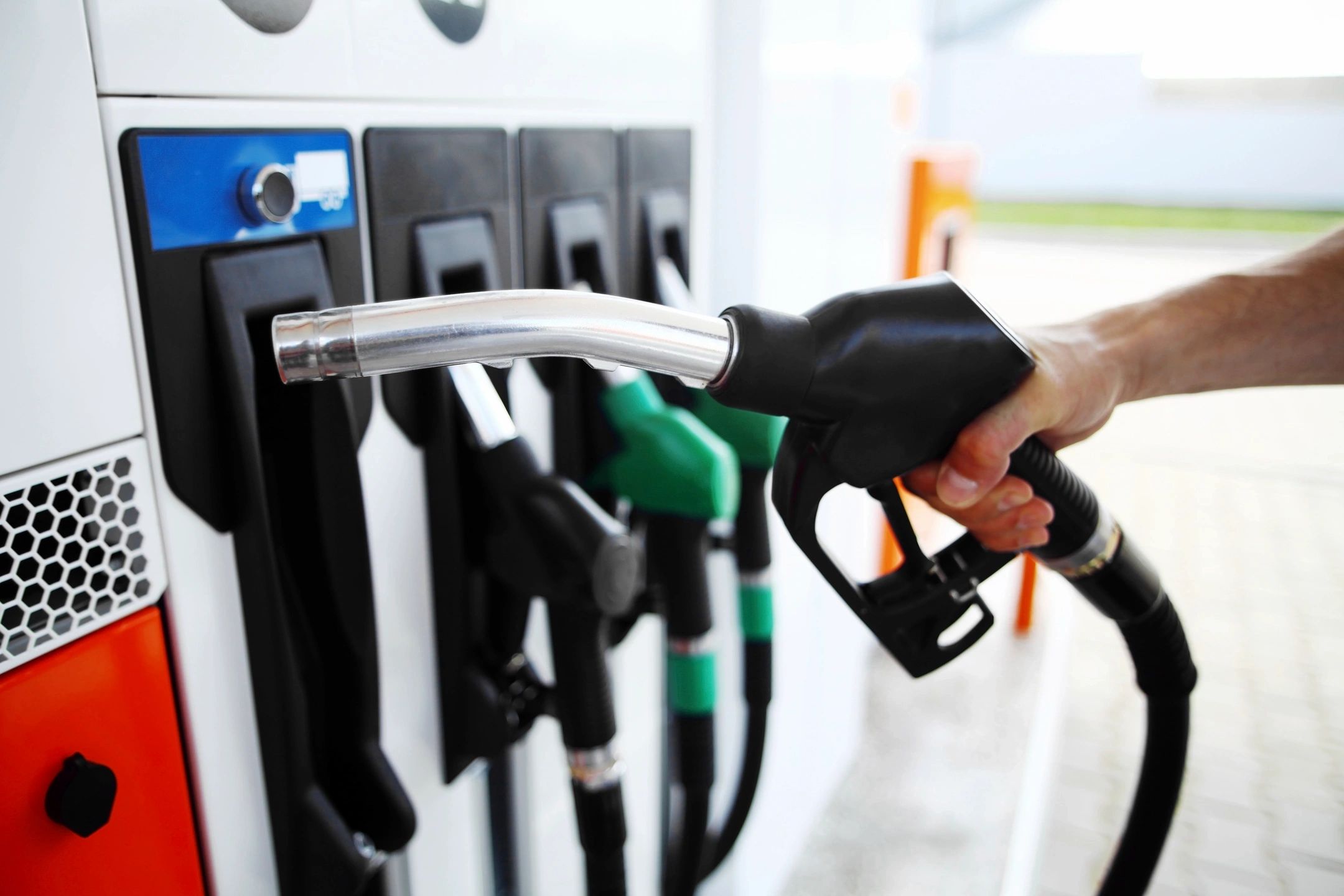
The increase wasn’t a surprise. Gas prices, which had fallen more than 16% in July, were still dropping in August but at a slower pace. This smaller drop pushed the overall inflation rate slightly higher. Gas prices have been falling since the federal carbon tax was removed in April. If gas is removed from the calculation—called core inflation—prices mostly went down in August.
Economists expect the Bank of Canada to cut interest rates by 0.25% on Wednesday, the first cut since March. Douglas Porter, chief economist at BMO, called the report a “low-drama affair” and said slower core inflation and weaker job growth make further rate cuts likely in the future. But the bank is expected to move carefully.
Andrew Grantham, a senior economist at CIBC, said the Canadian economy has avoided a worst-case scenario but is still growing slowly. Lower interest rates could help boost growth. He added that inflation isn’t a big problem right now because weak demand and high unemployment are keeping prices in check.
Grocery prices rose 3.5% compared to last year. Meat prices jumped 7.2%, while fresh fruit prices dropped 1.1%, led by cheaper grapes and berries.
The cost of cellphone services didn’t fall as quickly as before and even rose slightly in August as companies increased back-to-school plan prices. However, prices for smartphones and tablets went down.
Travel service prices fell 3.8% last month due to lower demand for U.S. trips, but hotel prices climbed, especially in Nova Scotia and Newfoundland and Labrador, which hosted the Canada Games.