Ottawa is fast-tracking two new copper mining projects, calling them “nation-building” efforts to secure one of the world’s most important natural resources as global demand soars and supplies tighten.
Prime Minister Mark Carney said Thursday that such projects “must strengthen Canada’s autonomy, our resilience and our security. It must have clear benefits for Canadians.”
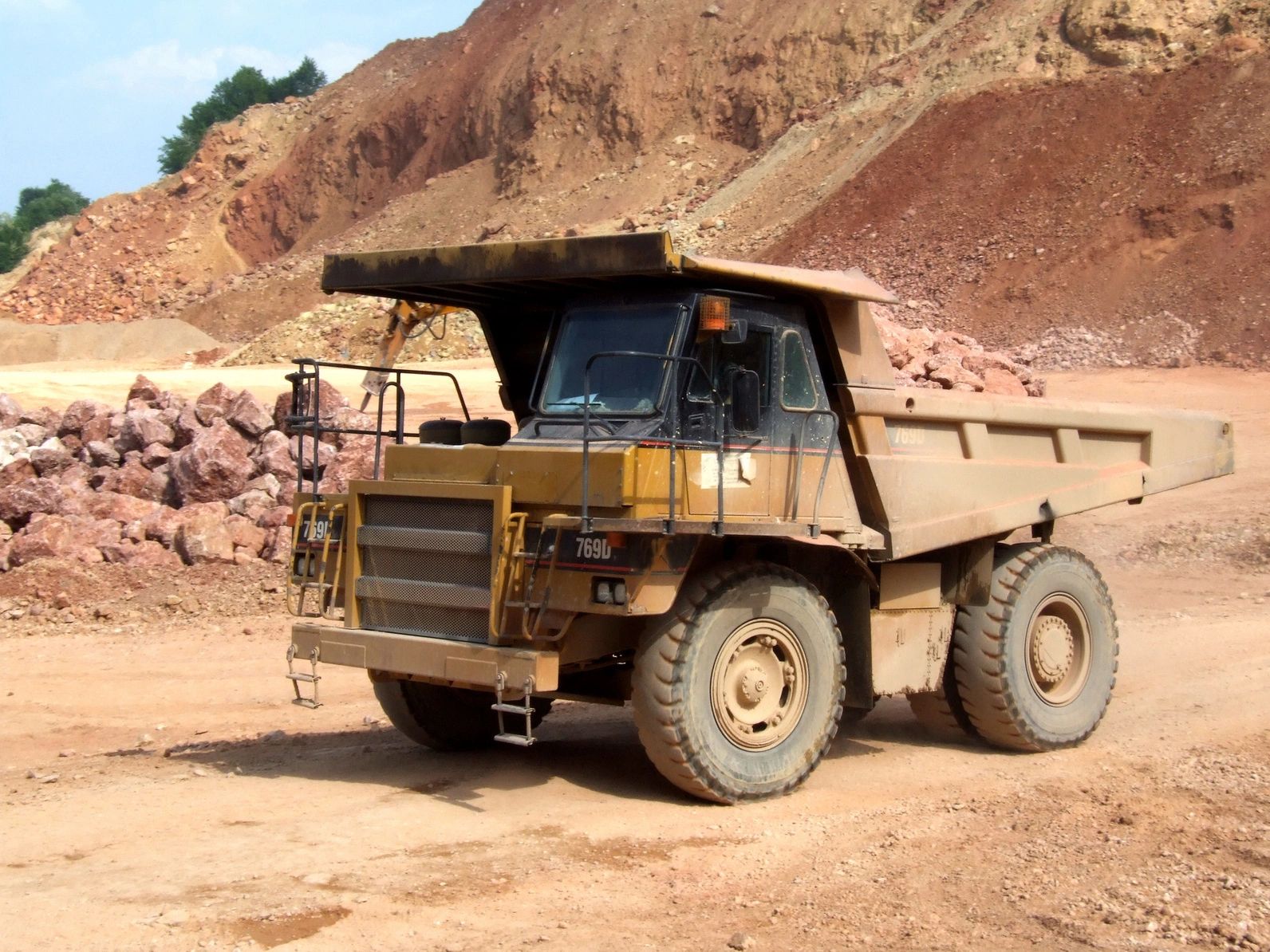
The federal government is recommending regulatory approval for the McIlvenna Bay Foran Copper Mine Project in Saskatchewan and an expansion of the Red Chris Mine in northwestern British Columbia. Copper is the world’s third-most used metal and is essential for electricity. It powers electric vehicles, renewable energy systems, and data centres that run artificial intelligence.
“Canada is a major mining power, and copper is one of the most important resources of this century,” said Vancouver-based author Vince Beiser. “All of our digital gadgets need electricity. How does electricity travel from a solar farm or a dam to your home? It travels on copper.”
Canada already has copper mines, refineries, and a smelter, but experts warn the country has fallen behind in production and exports over the past decade. Even with these accelerated projects, some worry Canada may be too late to catch up.
Trade tensions and global competition
Copper has been caught in the U.S.–China trade war. Prices have been rising for years and spiked again earlier this summer when the Trump administration threatened new tariffs. While a heavy tariff on raw copper was avoided, a 50 per cent duty on semi-finished copper products hit Chinese refiners, who control about half the world’s copper-smelting capacity.
Some federal officials say China’s dominance is a reason for Canada to move faster. Natural Resources Minister Tim Hodgson said Thursday that Canada has a role to play “as a democratic country” and accused Beijing of using copper prices as leverage. “We have an opportunity to take the cards out of autocrats’ hands and put those cards in Canada’s hand,” Hodgson said, calling copper a “tool of coercion” in global politics.
Beiser added that while China controls rare-earth minerals, its hold on copper isn’t as strong—giving Canada an opening to boost its own position.
A small player in a big market
Despite its resources, Canada makes up only about two per cent of global copper production. Dennis da Silva, a senior portfolio manager who follows the mining sector, said most new growth in copper will happen outside Canada. Still, he called these two projects “perhaps the only relevant ones” for Canada right now.
Canadian companies are also shifting their focus to copper. Barrick Mining, formerly Barrick Gold, sold its last Canadian gold mine for $1.1 billion and plans for about 30 per cent of its future production to come from copper. Earlier this week, British mining giant Anglo American announced plans to acquire Canadian company Teck Resources for its copper operations—a deal that would rank among the largest in mining history.
Falling production and a tight timeline
Canada’s copper production has dropped by more than 22 per cent since 2014, while exports have fallen by about 24 per cent. “We’ve definitely lost our place in global rankings,” said Photinie Koutsavlis of the Mining Association of Canada.
By comparison, the United States produces about five per cent of the world’s copper, while Chile leads at 30 per cent. Experts say Canada could reach seven to eight per cent of global production in the next 20 years—but only if it acts quickly.
“We would have needed to start planning five years ago to really meet future demand,” da Silva warned. “It takes years to find copper, prove its value, secure funding, and build the mines before production even starts.”