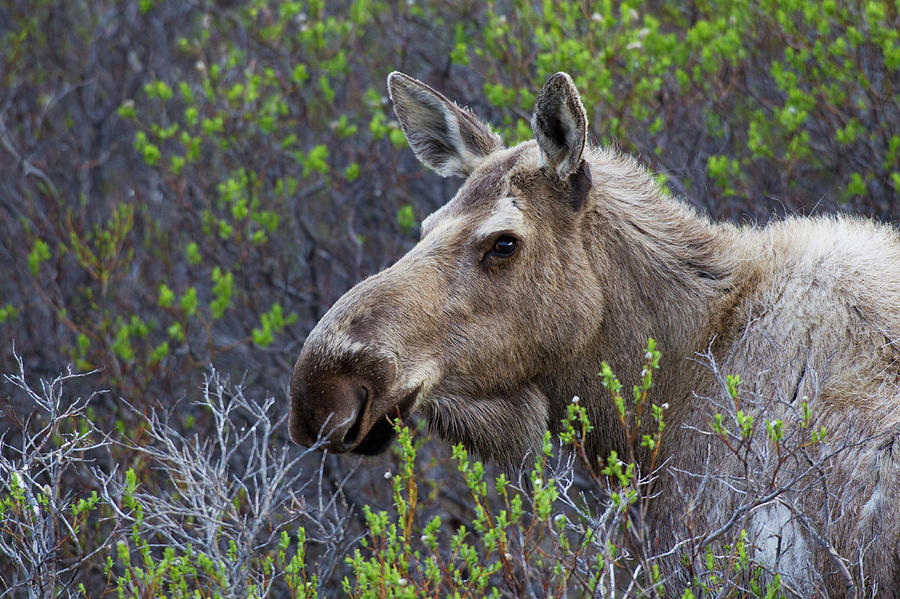
A Manitoba First Nation says it will no longer allow non-Indigenous hunters on its land, after years of moose overhunting and meat being left to waste. The community says these practices have left local hunters with fewer animals and limited opportunities to hunt.
Bloodvein First Nation, located about 200 kilometres north of Winnipeg along Lake Winnipeg’s eastern shore, put up no-trespassing signs this past weekend. Leaders are asking the province to stop issuing hunting licences for their territory.
Chief Lisa Young said non-Indigenous hunters, even those with provincial licences, will be turned away at the community’s checkpoint.
“We rely on hunting and fishing to feed our families, but we’ve had very poor hunts in recent years because of outsiders taking too much,” she said, noting the community had only one successful moose hunt last year.
Community members say they’ve witnessed wasteful hunting practices, including moose meat left to rot while only antlers or a single cut of meat were taken. Elders say that in Bloodvein, nothing is wasted — a whole animal would be harvested and the meat shared among the 1,300 residents.
The province plans to issue 350 moose-hunting licences this year, more than triple the amount in 2024. While some areas of Manitoba have been closed to moose hunting to protect populations, Bloodvein leaders say those closures have pushed more outside hunters into their territory.
Elder William Young said he has seen unfamiliar vehicles lined up during hunting season, sometimes nearly 20 at once. He also described helicopters scouting for animals and hunters leaving waste along the Bloodvein River.
Former chief Frank Young said local hunters are now forced to travel farther inland, sometimes flying out at great cost, just to find moose.
“There’s no place left to hunt when outsiders take over,” he said.
Chief Lisa Young added that nearby First Nations and Indigenous organizations support Bloodvein’s decision, which she says is about protecting the land and ensuring food security.
“We’re doing this for sustainability,” she said. “We’re standing by our rights.”