Carney Promises Wealth at C-5 Summit, But First Nations Leaders Still Have Concerns
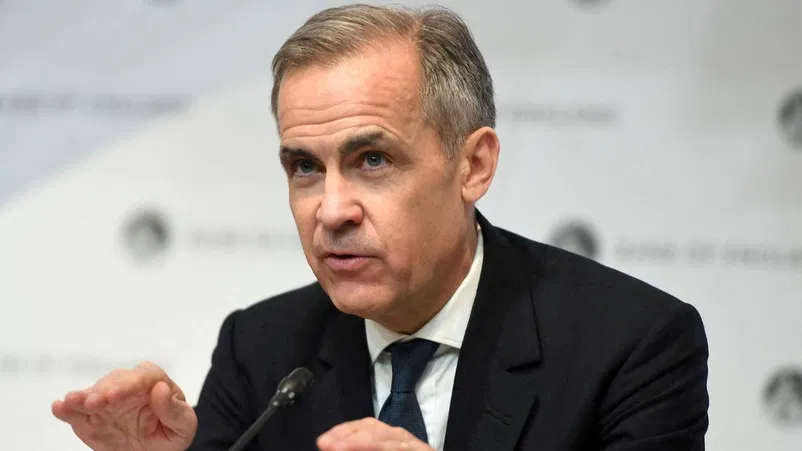
Prime Minister Mark Carney told First Nations leaders on Thursday that new government plans will bring wealth and prosperity “for generations to come.” He spoke at a two-day summit in Gatineau, Quebec, meant to ease concerns about a new law called Bill C-5. The law speeds up the approval of major projects like railways, ports, and energy corridors — but many Indigenous leaders say they weren’t properly consulted.
Reactions to Carney’s speech were mixed. Some leaders said they felt a bit hopeful. Others left feeling frustrated and confused.
“I’m leaving with more concerns and more questions,” said Jesse Stoeppler (Gwii Lok’im Gibuu), deputy chief of Hagwilget Village Council in northern B.C. “I didn’t have much faith in the process to begin with, and I’m leaving very concerned.”
Angela Levasseur, chief of Nisichawayasihk Cree Nation in Manitoba, called the summit “a start.” She said she wasn’t satisfied, adding, “There’s still a lot of unfinished business between First Nations and Canada.”
The summit took place at the Canadian Museum of History and ended Thursday afternoon. It began the day before.
Carney said Bill C-5 will help grow the Canadian economy, especially with pressure coming from the U.S. He said Indigenous communities will benefit from new projects and job opportunities. He pointed to a B.C. gas project owned by Indigenous groups as a good example.
He also said the law includes rules to make sure Indigenous Peoples are consulted properly before any big projects begin.
“Being a reliable partner to Indigenous Peoples means more than just talking,” Carney said. “It means sharing ownership and wealth.”
But Carney also made it clear: he doesn’t plan to change the law, even if people criticize it.
Some leaders felt the summit was more about speaking at them, not listening to them. They said government officials controlled the room too tightly. Media were forced to leave after Carney spoke. Chiefs had to submit their questions in advance and were handed a list of “approved” questions to talk about.
“I thought about packing up and leaving,” said Cody Diabo, Grand Chief of the Mohawk Council of Kahnawà:ke. “This isn’t what I thought it would be.”
John Ridsdale (Na’Moks), a Wet’suwet’en hereditary chief, also spoke out: “You don’t give people a script to follow when you’ve already made a decision.”
Outside the summit, a group of young First Nations activists from northern Ontario arrived to protest the law. RCMP blocked them from entering the building. One of the leaders, 21-year-old Jeronimo Kataquapit, said his group is fighting to protect their land.
“If we just stand by and let people come in and do whatever they want, everything our ancestors fought for will be for nothing,” he told reporters.
Bill C-5 was passed in June. It was changed to include provincial approval for national projects, but the Senate voted down a proposal to include the words “free, prior and informed consent.” That phrase is important to many Indigenous Peoples.
Assembly of First Nations National Chief Cindy Woodhouse Nepinak said First Nations must be involved from the start — not after the fact.
“Our rights can’t be respected without our full participation,” she said. She added that over 600 First Nations across Canada have different opinions on the bill, but all deserved a chance to help shape it before it passed.
She called on Carney to fix the law and help close what she called a “$350-billion gap” in infrastructure for First Nations children.
Joanna Bernard, a regional chief from New Brunswick, said the summit wasn’t real consultation.
“They set the agenda and decided how it would go,” she said. “This is not how consultation should work.”
Carney says Indigenous consultation is at the heart of the new law. But leaders say they won’t trust that until the law is changed to include clear protections.
“Until there is a proper process based on consent, Canada is not meeting its legal duty,” said Woodhouse Nepinak. “First Nation consent is not optional.”
Earlier this week, nine First Nations in Ontario launched a legal challenge against Bill C-5 and a similar Ontario law. They say both are unconstitutional.
The Supreme Court has said that First Nations must be consulted on projects that affect their rights — but the law does not give them the power to fully stop a project.