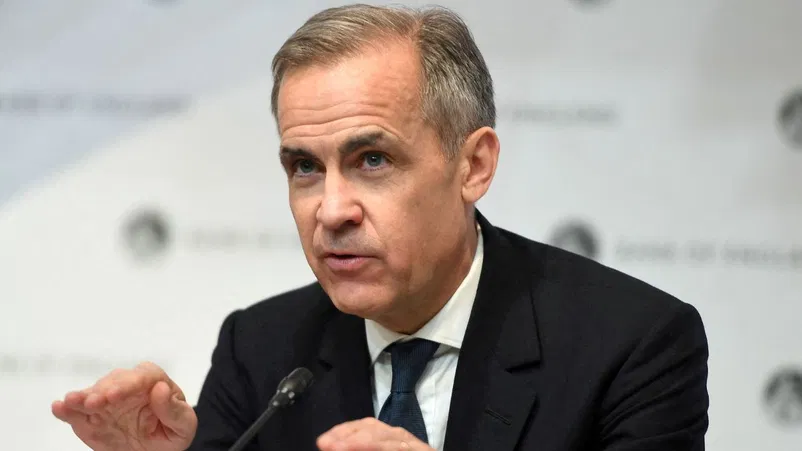
Prime Minister Mark Carney has wrapped up a short visit to the Philippines and is heading to Cambodia as Canada works to expand trade opportunities in Asia.
During his one-night stay in Manila, Carney attended the Association of Southeast Asian Nations (ASEAN) summit, announced the completion of free-trade negotiations with the Philippines and unveiled $540 million in funding for rainforest protection.
Trade Minister Maninder Sidhu said Canada offers stability and reliable trade partnerships as it looks to strengthen its economic ties in the region.
Canada is also continuing negotiations for a trade agreement with ASEAN, a group of 11 countries with a combined population of about 700 million people and an economy worth $6 trillion.
Sidhu said a regional trade deal would give Canadian businesses access to more markets, while separate agreements with individual countries could be expanded over time.
The minister also expressed confidence that Canadian pork producers would not face long-term trade restrictions in the Philippines. The country is currently investigating pork imports from several nations, including Canada.
During the summit, Carney also met with Brazilian President Luiz Inacio Lula da Silva. The two announced $540 million for a rainforest protection initiative led by Brazil and Norway.
The funding is part of Canada’s previously announced $6-billion international climate finance commitment. The project aims to protect biodiversity, attract private investment and support communities that depend on rainforest ecosystems.
Carney is now travelling to Cambodia for a summit of French-speaking countries, where he will also take part in discussions about technology trade.
He is expected to meet Quebec Premier Paul St-Pierre Plamondon, who is seeking a greater role for Quebec in international relations. Sidhu said the federal government will continue working with the province on trade opportunities.
Later this week, Carney will attend the Asia-Pacific Economic Cooperation summit in China, where trade relations between Canada and China are expected to remain a key topic.
Canada has recently made progress in restoring access for some Canadian agricultural and seafood products in China, including beef, canola meal, crab and peas. However, talks are continuing over other products, including pork and pet food.
Sidhu also said Chinese automakers, including Chery, are seeking approval to sell lower-cost vehicles in Canada. He expects some companies could receive certification by the end of the year.
He said Canada wants Chinese manufacturers to invest in the country and create jobs using Canadian workers and supply chains.
Ottawa is also working with China to help Canadian small and medium-sized businesses sell more consumer products through online platforms such as Alibaba.