Experts say cold snaps raise the risk of house fires, frozen pipes, car trouble and health problems for people and pets. Here’s how to stay safe.
Home safety
Extreme cold can lead to more fires and carbon monoxide incidents as heating systems work harder. Carbon monoxide is a colourless, odourless gas that can be deadly.
To reduce risks:
-
Keep furnace vents clear of snow and ice
-
Test smoke alarms and carbon monoxide detectors regularly
-
Never use barbecues, camp stoves or outdoor heaters indoors
-
Keep space heaters at least one metre away from anything flammable
Symptoms of carbon monoxide exposure include headaches, dizziness and nausea.
Health risks
Extreme cold can quickly cause frostbite and hypothermia. Fingers, toes, ears and the face are usually affected first. Signs include shivering, numbness and pale skin. Dressing in warm layers and covering exposed skin can help reduce risk.
Pet safety
Extreme cold is dangerous for animals. Outdoor time should be limited to short bathroom breaks, and outdoor cats should be brought inside. Pets may need coats or booties, and ice and salt should be wiped off paws after walks.
If pets show signs like shivering or lethargy, seek veterinary care.
Road safety
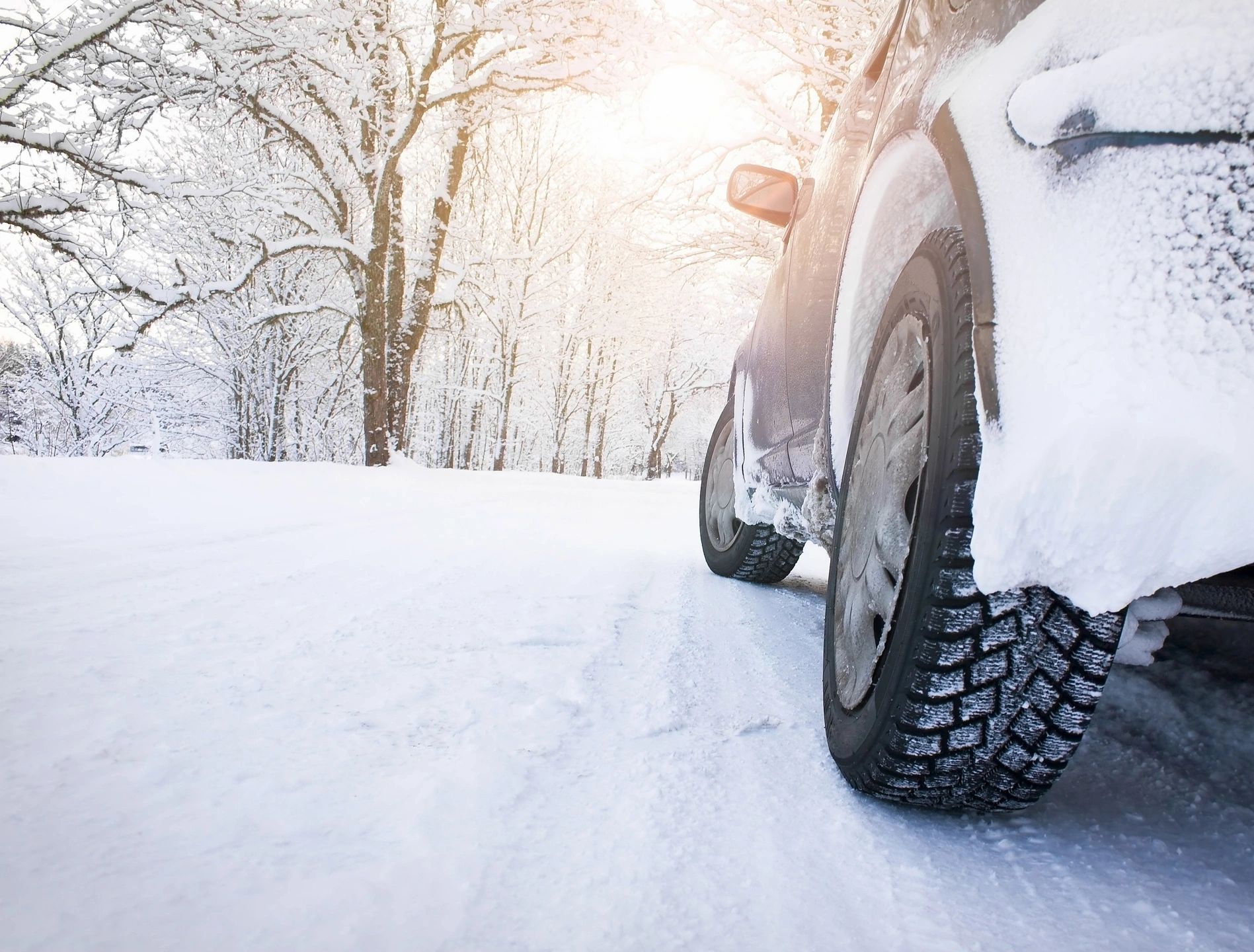
Car batteries are the most common problem during extreme cold. Drivers should plug in their vehicles when temperatures fall below -15 C and keep an emergency kit in the car, including blankets, booster cables, food and a phone charger.
If your vehicle breaks down, stay inside, as it provides shelter from the cold.