Canadian Forces Train for Arctic Security Amid Rising Tensions
More than 3,000 kilometres north of Ottawa, Canadian soldiers, ships, and aircraft gathered in one of the country’s most remote regions to test a serious scenario: how to stop a foreign ship that doesn’t want to be seen or caught.
The concern is real. Ships in the Arctic often travel with their tracking systems turned off, making them nearly invisible to satellites and radar. If one of those ships came close to sensitive military sites, Canada would need to respond quickly.
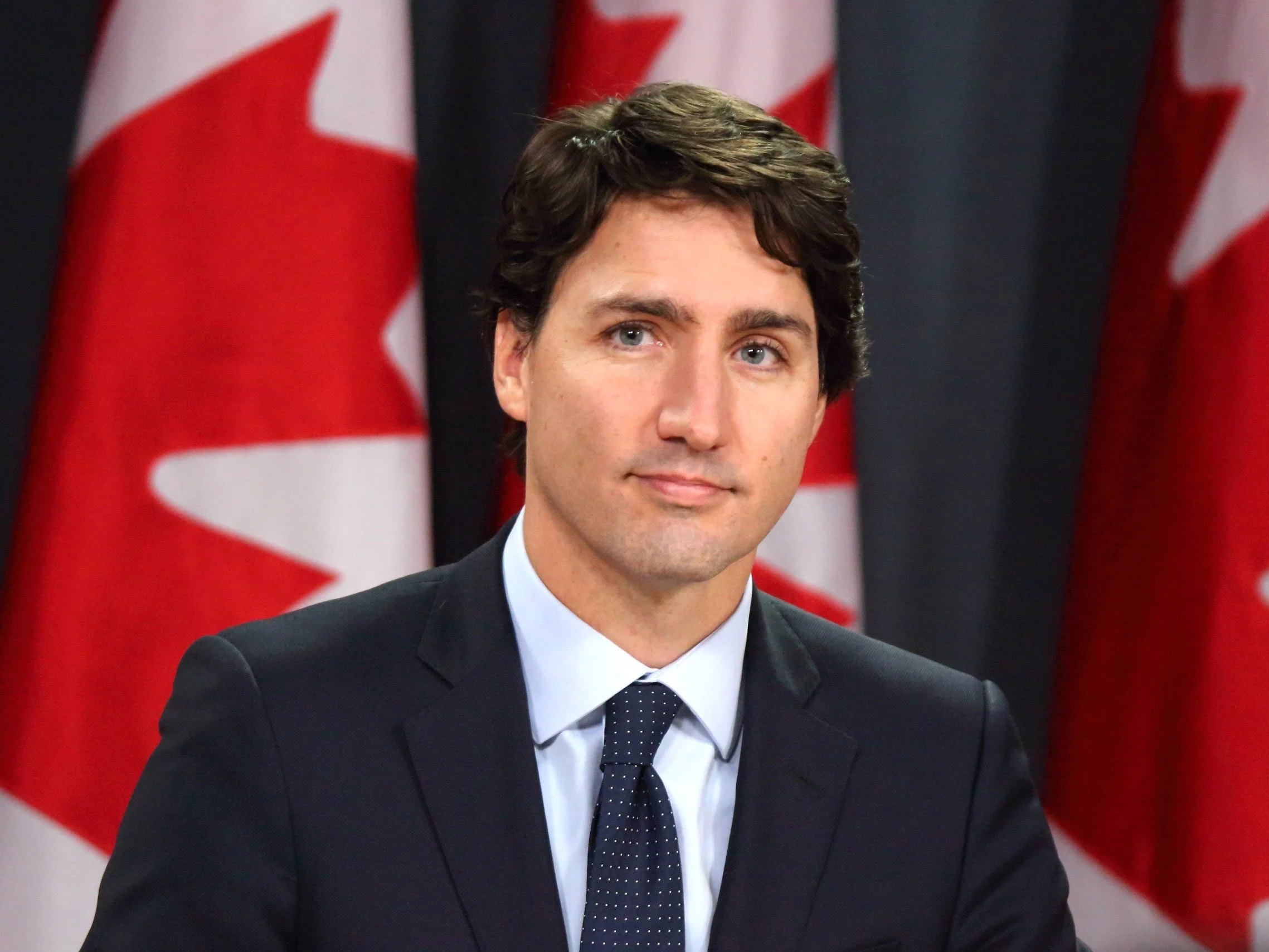
This yearly training event is called Operation Nanook, and it has taken on new importance. China has shown growing interest in the Arctic, Prime Minister Mark Carney has announced plans to expand Canada’s military, and demand for the North’s valuable minerals — like copper, nickel, lithium, graphite, and cobalt — is increasing.
The Arctic is also changing because of climate shifts. As ice melts, new shipping routes are opening through the Northwest Passage, creating faster links between Asia, North America, and Europe. Both Russia and China are showing more interest in using and influencing these routes.
Earlier this year, Canada’s military closely tracked a Chinese research ship returning to the Arctic for the second year in a row. Although labeled as a research vessel, experts warn the information it gathers could also be used for military purposes. In fact, a Chinese ship passed through Canada’s Northwest Passage back in 1999, raising alarms among security officials.
Military experts say China may already have enough data to help submarines move through Canadian waters undetected. Both China and Russia are also known to use so-called “ghost ships,” which look harmless but may actually be gathering intelligence.
Northern leaders stress that defending the Arctic is not just about military power. It also means making sure communities have strong infrastructure, housing, and economic opportunities. A new federal plan has identified an Arctic economic and security corridor as a priority project.
During this year’s exercise, Canada’s newest Arctic patrol ship, HMCS William Hall, worked with a coast guard helicopter to track down a mock “suspicious vessel.” RCMP officers joined the operation, boarding the ship and capturing role-players acting as foreign agents. The scenario was fake — but designed to reflect real threats.
Brigadier-General Dan Riviere, who leads Canada’s Arctic defence command, said that while technology helps monitor the vast region, the challenge is responding fast enough across such a huge area. The Arctic makes up 40 per cent of Canada’s landmass, and defending it requires planes, ships, and people working together.
Canada is also investing heavily in new equipment. Old CP-140 surveillance planes from the 1980s are being replaced by advanced P-8 Orions, which can track threats farther and with more detail. Canada is also partnering with Australia to build a modern over-the-horizon radar system to replace Cold War-era technology.
For Canada, the Arctic is no longer just remote tundra — it’s becoming a frontline in global power struggles.