Trump Announces New Travel Ban Affecting 19 Countries
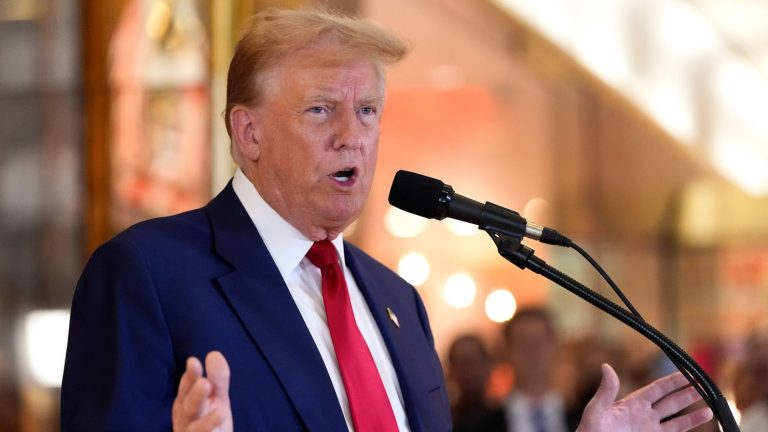
On Wednesday, U.S. President Donald Trump brought back a major policy from his first term. He announced that people from 12 countries will be banned from traveling to the United States. People from 7 more countries will face new restrictions. The changes will start at 12:01 a.m. on Monday.
Unlike in 2017, when a sudden travel ban caused confusion at airports, this new policy gives a few days’ notice. The U.S. Supreme Court supported Trump’s earlier ban, and this time he is using similar reasons to move forward.
Countries Affected
Banned Countries (12):
Afghanistan, Myanmar, Chad, Republic of Congo, Equatorial Guinea, Eritrea, Haiti, Iran, Libya, Somalia, Sudan, and Yemen.
Countries with New Restrictions (7):
Burundi, Cuba, Laos, Sierra Leone, Togo, Turkmenistan, and Venezuela.
Trump said the ban is meant to stop people from countries with weak security checks or high numbers of visa overstays from entering the U.S. He made the announcement in a video, linking it to a recent terror attack in Boulder, Colorado. The suspect in that case is from Egypt — a country not on the list — and had overstayed his visa.
Reasons for the Ban
Trump argued that some countries don’t properly screen their citizens before they travel or refuse to take people back after they are ordered to leave the U.S. He used a government report that lists which countries have the highest numbers of people overstaying their visas.
“We don’t want them,” Trump said.
Controversy Around Afghanistan and Haiti
Adding Afghanistan to the list angered some of Trump’s supporters who helped resettle Afghan refugees. Many of them had worked with the U.S. during the war. Trump said the country doesn’t have a stable government to check passports or screen people properly.
Haiti was not banned during Trump’s first term but is now on the list due to a high number of visa overstays and illegal entries. Trump said Haiti lacks a central system to share law enforcement information and control who leaves the country.
Iran, Libya, Sudan, and Yemen
Iran was already labeled a “state sponsor of terrorism” by the U.S., and only visitors with special visas can come. The other Middle Eastern countries on the list — Libya, Sudan, and Yemen — are all dealing with war or civil unrest.
Criticism from Aid Groups
Refugee organizations and aid groups spoke out against the ban. Many believe it’s not really about safety, but about spreading fear and division.
“This policy is not about national security. It’s about creating fear and targeting communities looking for safety,” said Abby Maxman, head of Oxfam America.
Background on Trump’s First Travel Ban
Trump first created a travel ban in January 2017, targeting mostly Muslim countries like Iraq, Iran, Syria, Sudan, Libya, Somalia, and Yemen. The ban caused chaos at airports and led to many protests. Over time, the policy was changed and later approved by the Supreme Court in 2018.
Some people, including Trump, said the ban was needed to protect the U.S. Others believed it was unfair and targeted Muslims.