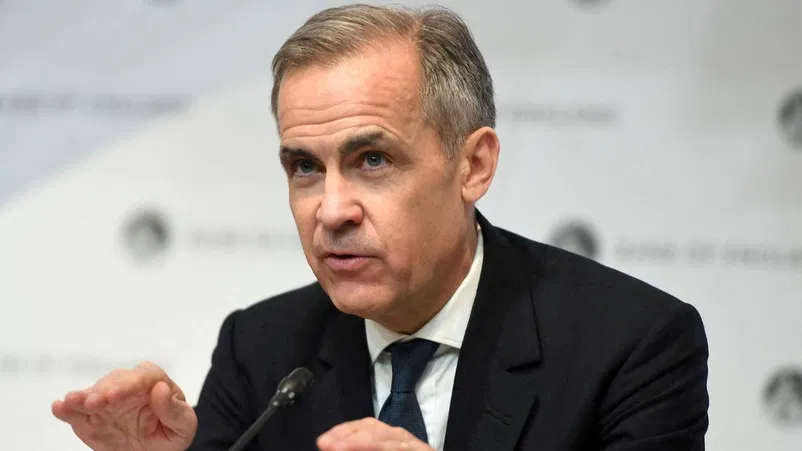
Prime Minister Mark Carney says his government wants a “true partnership” with Indigenous people as Canada moves ahead with major infrastructure projects.
Carney made the comments Wednesday at a National Day for Truth and Reconciliation event at Fort Edmonton Park.
He said Indigenous communities should have meaningful opportunities to help develop, operate and own major projects, as well as share in the economic benefits.
“Sustainably means embedding Indigenous knowledge and leadership in our conservation efforts, and it means building in true partnership with Indigenous peoples,” Carney said.
His comments came as the federal government prepares to designate a proposed West Coast oil pipeline as a project of national interest. The project is part of the government’s plans to improve relations with Alberta and increase Canadian exports beyond the United States.
Some First Nations have raised concerns about the speed of the process and whether they have been properly consulted.
The Coldwater Indian Band in British Columbia has opposed the proposed pipeline and previously raised concerns about the Trans Mountain expansion. Vice-Chief Michael Smithers said the community has not had meaningful discussions with the federal Major Projects Office.
Carney said reconciliation is far from finished and pointed to efforts involving housing, clean drinking water, education and culturally relevant health care for Indigenous people.
NDP MP Leah Gazan criticized the government’s approach, saying its plans for major projects do not reflect true reconciliation. She also pointed to a recent report that criticized the federal Building Canada Act, which allows the government to speed up projects it considers to be in the national interest.
The Assembly of First Nations did not comment on Carney’s remarks Wednesday but said it would respond Thursday.
Carney also recognized the harm caused by residential schools, calling them a “dark chapter” in Canada’s history.
More than 150,000 Indigenous children were sent to residential schools, where many experienced abuse and neglect. The Truth and Reconciliation Commission concluded in 2015 that the schools were part of a policy of cultural genocide.