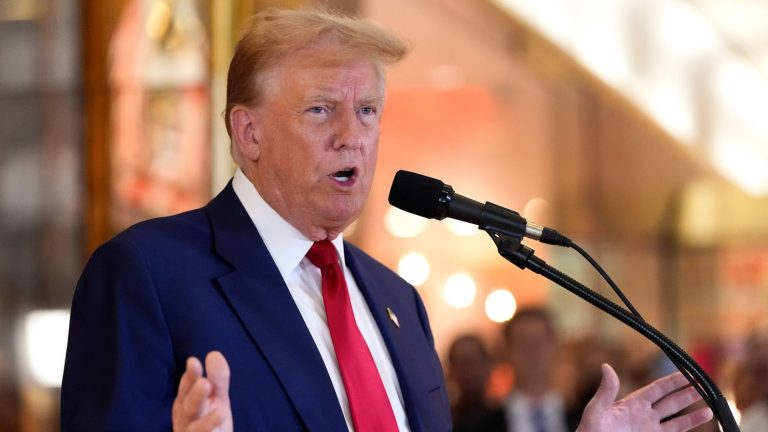
U.S. President Donald Trump signed a proclamation on Friday that makes big changes to the H-1B visa program for skilled foreign workers. The biggest change is a new annual fee of $100,000 for each H-1B visa. Commerce Secretary Howard Lutnick said the fee will apply every year and claimed that “all big companies” support the move.
H-1B visas were created to help companies bring in highly skilled workers for jobs they struggle to fill with Americans. But critics say many companies have been using the program to hire cheaper foreign workers, some earning as little as $60,000 a year—much less than typical U.S. tech salaries of over $100,000.
Trump said the tech industry would not oppose the change: “I think they’re going to be very happy,” he told reporters. However, major companies like Amazon, Apple, Google, and Meta did not respond to requests for comment, and Microsoft declined to comment.
Lutnick said the high fee means companies will no longer use H-1B visas for trainees or lower-level workers. “If you’re going to train people, you’re going to train Americans,” he said. “But if you need a very skilled engineer, you can pay $100,000 for the visa.”
Trump also introduced two new visa options for wealthy foreigners:
-
Trump Gold Card: A visa with a possible path to citizenship. It will require a processing fee and a $1 million contribution for individuals, or $2 million for companies.
-
Trump Platinum Card: A higher-level visa costing $5 million. It would let foreigners spend up to 270 days a year in the U.S. without paying U.S. taxes on income earned outside the country. This option still needs approval from Congress.
These changes are expected to face legal challenges. Critics argue that Trump is overstepping his presidential authority by making major immigration changes without Congress. If upheld, the rules would create huge cost increases for both skilled worker visas and investor visas first established in 1990.
The H-1B visa program allows 85,000 visas per year and is especially popular in the tech industry. In recent years, companies like Amazon, Microsoft, Apple, and Google have been the top recipients. But critics say many H-1B visas are used for entry-level jobs rather than specialized positions, which can lower wages for U.S. workers.
In 2024, applications for H-1B visas dropped by nearly 40%, partly due to a crackdown on fraud, where companies submitted multiple applications to boost their odds in the lottery system. Some labor groups, including the AFL-CIO, want visas awarded to companies paying the highest salaries instead of using a random lottery.